How to Protect Credit
Keep your credit safe from fraud, identity theft, and surprises.
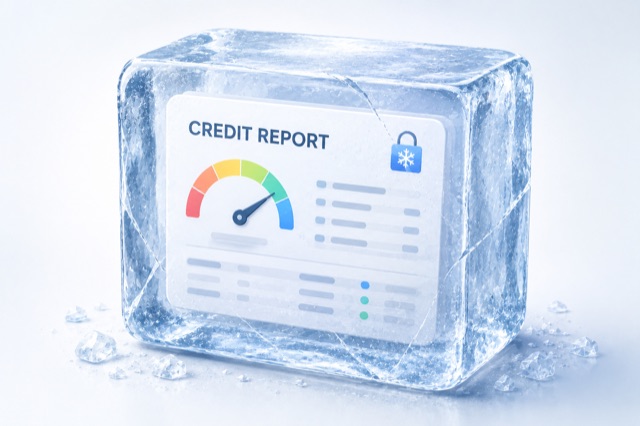
How to freeze your credit (and when to)
A credit freeze restricts access to your credit file, making it much harder for anyone to open new credit in your name until you lift it. It's free, it's reversible, and it's one of the strongest fraud protections you have.
3 min read
How to spot identity theft on your credit report
For a lot of people, a credit report is where identity theft first becomes visible: an account or inquiry that simply isn't theirs. Knowing the signs means you catch it sooner.
3 min read
What identity protection actually includes (and what it doesn't)
"Identity protection" is an umbrella for several tools doing different jobs: watching for misuse, shrinking your exposure, and helping you recover. Here's what each piece does, in plain English.
4 min read
What is dark web monitoring, and what can it actually do?
Dark web monitoring watches the marketplaces where stolen data is traded and alerts you when yours shows up. Here's what it can and can't do, honestly.
4 min read
Data brokers are selling your info. Here's how removal works.
People-search and data-broker sites compile and sell profiles of you, and that exposure is raw material for scams and identity theft. Here's how to get your data removed, free or automatically.
4 min read
The cybersecurity habits that quietly protect your credit
Most identity theft starts small: a reused password, a phishing text, an infected download. Digital hygiene is credit protection, here are the habits that do the most work.
4 min read
Identity theft insurance and restoration, explained
If your identity is stolen, two things decide how bad it gets: who does the recovery work, and who covers the losses. Here's how restoration specialists and identity theft insurance actually work.
5 min read